





If you have recently become a trustee or are the beneficiary of a trust, you may be responsible for important legal and financial duties under Nevada law. A trust is a legal arrangement where a “trustee” holds and manages assets for the benefit of designated “beneficiaries.” Trust administration involves the trustee managing these assets according to the terms of the trust document. Unlike probate, a properly funded trust generally avoids the public and often lengthy court process of probate.
At Simplifying Probate, our Las Vegas probate attorneys assist trustees and beneficiaries with all aspects of Nevada trust administration. Whether you need help understanding your responsibilities, preparing required documents, or resolving concerns regarding trust management, we can help ensure the trust is administered properly and efficiently. Contact us online or call us at (702) 800-8354 to schedule a free consultation.
Why Choose Us at Simplifying Probate?
The team at Simplifying Probate has extensive experience helping individuals with estate planning. We understand the laws governing Nevada wills and trusts, including how to protect your assets and lower tax burdens.
Our team of attorneys brings more than three decades of combined legal experience, enabling us to support your estate planning goals and ensure your wishes are carried out as directed when you’re no longer here. We take a client-centered approach and always work to reduce probate delays and support your beneficiaries in accessing the appropriate assets as quickly as possible.
Meet Clayton Leonard Nevada Trust Administration Lawyer
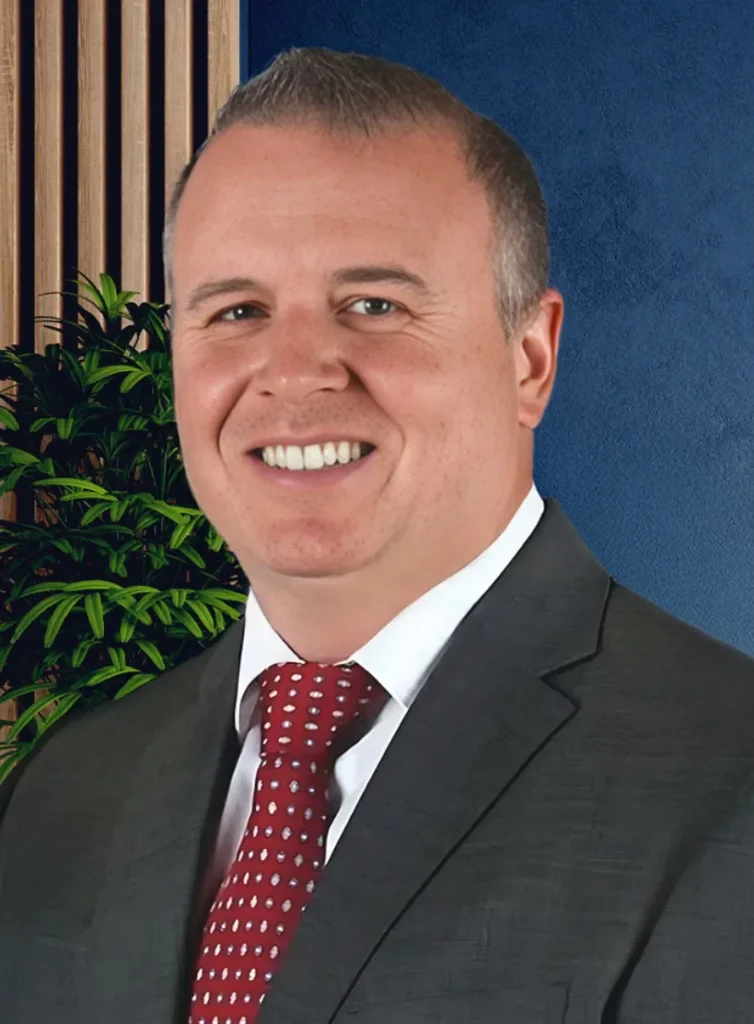
Clayton Leonard is an experienced Las Vegas probate and trust administration attorney who has spent his entire legal career helping clients in Nevada. He became an Accredited Estate Planner® in 2020, a credential awarded by the National Association of Estate Planners and Councils to recognize specialized knowledge and experience in estate planning.
Whether navigating complex estate plans or advising families on generational wealth strategies, Clayton strives to deliver practical, tailored solutions that respect his clients’ unique goals.
How Can a Las Vegas Trust Administration Attorney Help?
When you have valuable assets to leave behind for your loved ones, it is essential to have a plan in place. Many websites offer DIY estate planning packages or services, but when you don’t have a trust administration attorney, important details can slip through the cracks, leaving your loved ones to deal with the fallout.
A Las Vegas trust administration attorney from simplifying probate can help you and your trustees or beneficiaries with:
- Understanding and interpreting the trust document.
- Identifying and managing trust assets.
- Preparing accountings and providing information to beneficiaries.
- Fulfilling fiduciary duties, such as acting in the best interests of the beneficiaries.
- Distributing trust assets according to the trust terms.
- Navigating Nevada trust law and ensuring compliance.
Mistakes or misunderstandings in any of the above-mentioned areas can leave your loved ones to face unnecessary tax burdens or require your estate to be processed in probate. Furthermore, a trust administration attorney can provide guidance as an impartial third party, enabling them to manage your trust according to your wishes and without emotional influence from complex family dynamics.
What Are a Trustee’s Responsibilities in Nevada?
Determining who to name as a trustee is one of the more important decisions you can make in estate planning. Most people will have a few options regarding who to choose. The right decision will depend on each person’s situation. Professional trustees may come with higher costs, while personal trustees may be more susceptible to the emotions and family dynamics after your passing.
Personal Trustee
Many people will choose a spouse, adult child, or close friend to work as their trustee. If you are choosing a personal trustee, it is essential to select someone who can communicate clearly and effectively, understands your wishes, and is able to execute them without being influenced by other family members or loved ones.
Corporate Trustee
A corporate trustee is a neutral third party that works for a financial institution, law firm, or other corporate entity, managing trusts on behalf of its clients. When you choose a corporate trustee, you are paying for the experience and neutrality they offer. A corporate trustee is a third-party entity that can manage your trust with impartiality and extensive experience.
Combination Trustees
You may choose to designate more than one trustee. When you choose a corporate and personal designee, they operate as co-trustees, where the individual can provide the personal insight while the corporate trustee can ensure that administration is done according to estate planning and tax law.

Simplifying Probate’s Trust Administration Process in Nevada
When a loved one with a trust passes away, the successor trustee becomes responsible for administering the trust according to its terms and Nevada law. Our Las Vegas probate and trust litigation attorneys are here to guide you through the trust administration process. The process typically includes the following steps:
Reviewing the Trust Document
The trustee’s first responsibility is to locate and review the trust agreement and any amendments. If you suspect the trust is invalid, you have the option to contest, in which case you will need a will and trust contests attorney.
Identifying and Gathering Trust Assets
The trustee must identify and secure all trust assets. This may include bank accounts, investment accounts, real estate, business interests, life insurance proceeds, and personal property. Assets held outside the trust may require additional legal steps before they can be distributed.
Notifying Beneficiaries
Trustees are often required to provide certain information to beneficiaries regarding the trust and its administration. We prioritize clear communication to help reduce confusion and minimize disputes throughout the process.
Paying Debts, Taxes, and Expenses
Before distributions can be made, the trustee may need to address outstanding debts, final expenses, taxes, and costs associated with administering the trust. Proper handling of these obligations helps protect both the trust and the trustee from potential liability.
Managing Trust Assets
During trust and probate administration in Las Vegas, trustees have a fiduciary duty to manage trust assets responsibly. This may include maintaining property, overseeing investments, preserving asset value, and making decisions that are in the best interests of the beneficiaries.
Preparing Accountings
Beneficiaries are often entitled to information regarding trust assets, income, expenses, and distributions. Trustees should maintain accurate records and prepare accountings when required.
Distributing Trust Assets
Once debts, expenses, and administrative matters have been addressed, the trustee distributes trust assets according to the trust’s terms. Some trusts require immediate distributions, while others may continue for years or even generations.
Closing the Administration Process
After all these tasks are completed, the trustee may finalize the administration and retain records that demonstrate compliance with their fiduciary obligations.
Because a trustee can be held personally liable for mistakes, it’s important to work with an experienced Las Vegas trust administration attorney to ensure the process is completed properly and efficiently.
Contact Our Las Vegas Trust Administration Lawyers Today
We provide guidance and support to trustees to ensure they understand their responsibilities and comply with Nevada law. In addition, we can represent beneficiaries to ensure their rights are protected and the trust is being administered properly. Working with an attorney can ease unnecessary burden or confusion for your loved ones. Call our Las Vegas trust administration lawyers at (702) 800-8354 or contact us online for a free consultation.